A strong performance by Bhumi Pednekar isn’t enough to save this Prime Video crime series from its own repetitive storytelling and uneven pacing
When a new crime thriller promises to explore the dark underbelly of Mumbai through the eyes of a tenacious female police officer, expectations naturally run high. Daldal, the seven-episode Prime Video series starring Bhumi Pednekar, makes that promise with confidence. Adapted from Vish Dhamija’s novel Bhendi Bazaar and streaming now, the show tackles heavy themes from gender violence to systemic corruption. Yet, as viewers will discover, bold ambition often collides with flawed execution, leaving a series that shines in moments but struggles to maintain its early momentum.
What Is Daldal About?
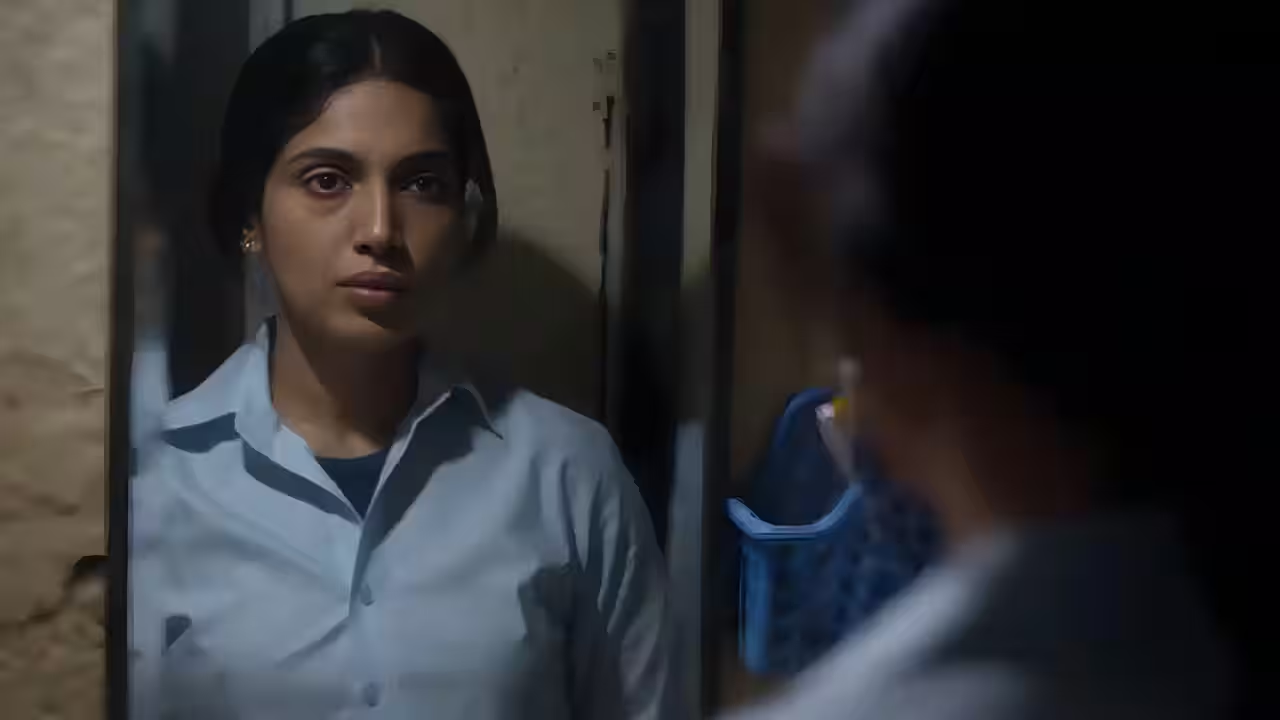
Daldal follows newly appointed Deputy Commissioner of Police Rita Ferreira (Bhumi Pednekar) as she investigates a series of brutal murders across Mumbai. The series begins with a particularly gruesome crime: an elderly man found dead on a beach with his phone stuffed in his mouth. As more bodies surface with similar disturbing signatures, Rita finds herself navigating not just a complex investigation but also the politics of a male-dominated police force and the haunting shadows of her own traumatic past.
Created by Suresh Triveni and directed by Amrit Raj Gupta, the show positions itself as more than a standard police procedural. It attempts to weave together social commentary on issues including child abuse, human trafficking, workplace sexism, and the psychological toll of trauma. The narrative shifts perspectives between Rita’s investigation and the troubled lives of those connected to the crimes, particularly focusing on a drug addict named Sajid (Aditya Rawal) and a journalist named Anita (Samara Tijori).
Where Daldal Succeeds: Performances and Authenticity
Bhumi Pednekar’s Commanding Lead Performance
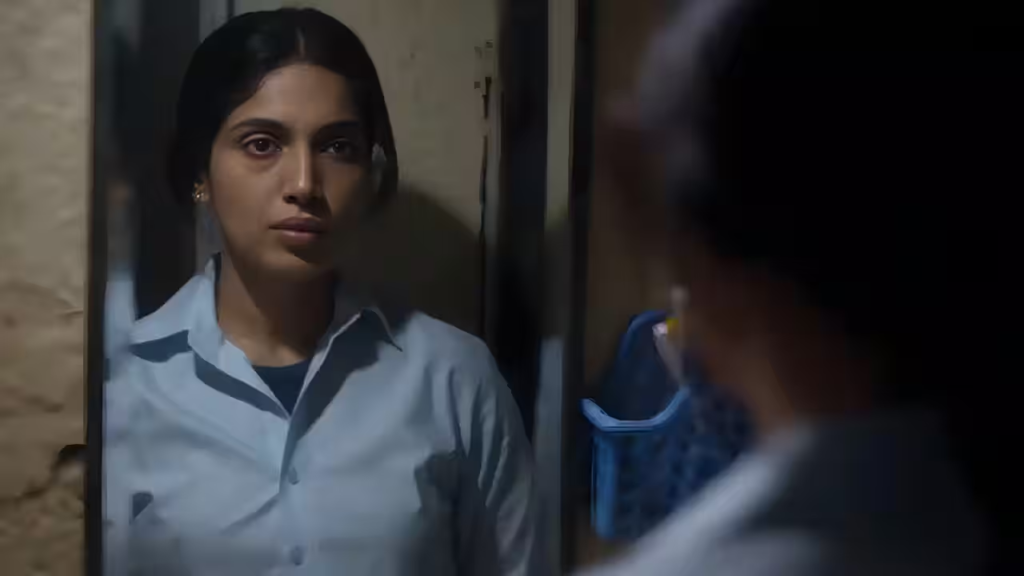
Across nearly every review of the series, one consistent praise emerges: Bhumi Pednekar delivers a powerful, committed performance as Rita Ferreira. She portrays Rita as a woman armored in professional competence but fractured by personal history. Pednekar relies less on dialogue and more on physical presence—her rigid posture, unblinking stares, and simmering expressions convey a history of pain and determination. In a role that offers little emotional relief, she anchors the series with authenticity, making Rita’s internal conflicts palpable even in her most restrained moments.
Strong Supporting Cast
The series benefits significantly from its ensemble. Aditya Rawal stands out as Sajid, delivering what some critics call “the most convincing performance in the series”. He captures the vulnerability and recklessness of a troubled addict with disturbing realism. Samara Tijori brings quiet complexity to her role as journalist Anita Acharya, even when the writing occasionally reduces her character’s gender nonconformity to shorthand for psychological disturbance. Geeta Agrawal Sharma earns consistent praise as Sub-Inspector Indu Mhatre, providing one of the show’s most well-rounded and relatable characters.
Atmospheric World-Building
Visually, Daldal creates an appropriately gritty and oppressive atmosphere that mirrors its thematic concerns. The series doesn’t shy away from the grim realities of Mumbai’s margins—spaces marked by prostitution, addiction, and institutional neglect. This unflinching approach gives the show a raw authenticity that distinguishes it from more polished, sanitized crime dramas. The choice to reveal the killer’s identity early shifts the narrative focus from “whodunit” to “whydunit,” attempting a deeper psychological exploration of violence’s origins.
Where Daldal Stumbles: Repetition and Narrative Clutter
Pacing and Structural Issues
Perhaps the most consistent criticism of Daldal concerns its uneven pacing and repetitive narrative structure. After a strong, gripping start in the first two episodes, the series begins to lose momentum. Prolonged and repetitive flashbacks to Rita’s childhood trauma, recurring PTSD episodes, and drawn-out confrontations with toxic memories start to feel redundant, pulling focus from the central investigation.
One critic noted that “the series starts repeating itself and moves in circles,” with the cat-and-mouse chase between cop and killer failing to generate real suspense. Episode three, titled “Janm,” comes under particular scrutiny for being especially jumpy as it attempts to address sexual abuse, construct an androgynous character, and sketch the genesis of a killer’s urges—all within a single installment.
Overloaded Themes
Daldal attempts to tackle an ambitious array of social issues: gender-based crimes, child abuse, human trafficking, toxic parenting, workplace sexism, media trials, substance abuse, and social inequalities. While each theme is undoubtedly relevant, their sheer volume works against the narrative. Instead of converging into a powerful whole, these threads often feel scattered, diluting the emotional and narrative impact.
The show’s creator and writer made a “unique attempt to blend the humane side of criminals along with an intense investigation,” but this balancing act doesn’t always succeed. The series becomes “part crime drama, part psychological study, part social commentary—without fully committing to any one form”.
Questionable Stylistic Choices
Some of Daldal‘s stylistic decisions have drawn bafflement from critics. The music is frequently described as intrusive, including a foreign-language track that clashes with the overall mood. The use of a radio as a device to dump backstory is noted as particularly ineffective. Additionally, the show’s timeline jumps can be confusing, with one period inexplicably looking decades older than it should.
The Final Verdict: Worth Watching With Managed Expectations
Daldal represents a classic case of a series with substantial promise that doesn’t fully deliver on its potential. The strong performances—particularly Pednekar’s committed lead turn—elevate the material considerably. The show’s willingness to confront uncomfortable social realities and its raw, unflinching insight into crimes against the vulnerable deserve genuine credit.
However, execution falters under the weight of repetition, clichés, and uneven pacing. What begins as a gripping psychological crime thriller gradually loses steam, with the narrative meandering in places where tighter editing could have maintained tension.
For viewers interested in character-driven crime dramas with social consciousness, Daldal offers enough compelling elements to warrant a watch. Just don’t expect the consistently gripping experience the early episodes promise. The series is ultimately “stuck between ambition and execution”—a show that draws on dark, important material but pares down the investigative rigor and narrative clarity needed for such material to truly resonate.
Frequently Asked Questions
Is Daldal based on a book?
Yes, Daldal is adapted from Vish Dhamija’s crime novel Bhendi Bazaar. The series maintains the novel’s core premise and setting but makes some adaptations for the screen, with several critics noting that the adaptation “smoothens some of the novel’s sharper edges”.
How many episodes does Daldal have?
Daldal consists of seven episodes, all available for streaming on Prime Video. Each episode runs for approximately 45-50 minutes, making for a total viewing time of roughly 5.5 to 6 hours.
What are the main themes of Daldal?
The series tackles multiple heavy themes including gender-based crimes, child abuse, human trafficking, toxic parenting, workplace sexism, media trials, substance abuse, and social inequalities. It particularly focuses on how trauma, neglect, and systemic failure contribute to cycles of violence.
Who are the standout performers in Daldal?
While Bhumi Pednekar delivers a strong lead performance as DCP Rita Ferreira, several supporting actors receive significant praise. Aditya Rawal is frequently mentioned as a standout for his portrayal of the troubled Sajid. Geeta Agrawal Sharma also earns consistent acclaim for her role as Sub-Inspector Indu Mhatre.
Why are critics divided on Daldal?
Critics generally appreciate the show’s ambition, performances, and willingness to tackle difficult subjects, but many note problems with pacing, repetitive storytelling, and an overload of themes. The series starts strong but struggles to maintain narrative momentum across all seven episodes, leading to mixed reviews that acknowledge its strengths while criticizing its execution.